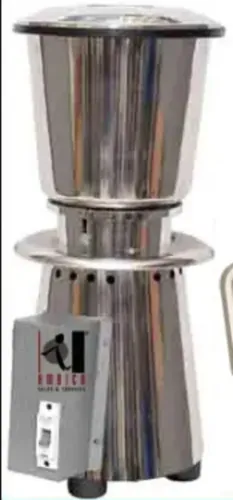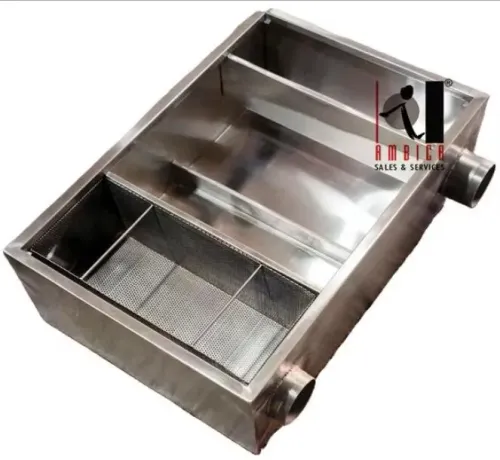
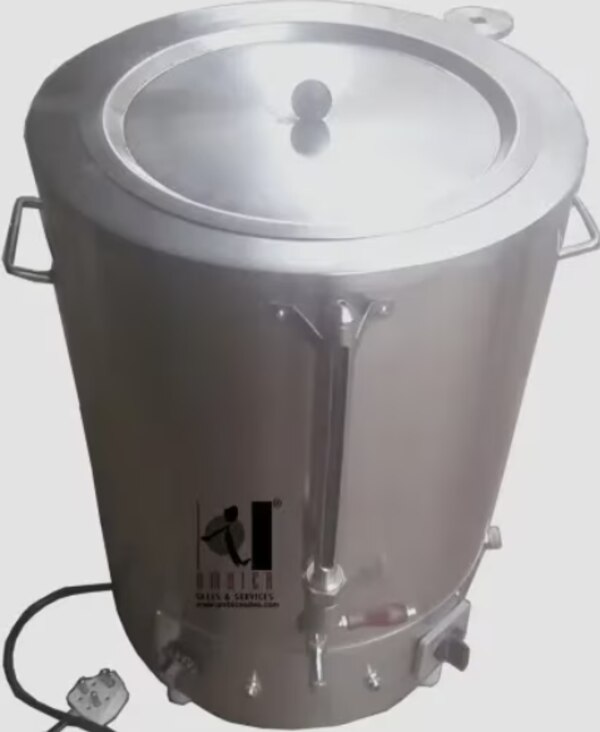
A spoon steriliser only supports safe service when washing, immersion time, water temperature, loading, drainage and cleaning work as one controlled process. By the end, you will be able to specify the right boiler capacity, check whether it can recover during peak service and distinguish hot-water sanitisation from validated sterilisation.
Key takeaways
- Wash utensils first; a spoon steriliser does not remove grease or stuck food.
- Match water temperature, basket loading and contact time to your validated hygiene method.
- Size boiler recovery for peak clean-spoon demand, not average daily usage.
- Specify stainless steel, temperature controls, drainage and safety cut-outs for Mumbai service conditions.
What a spoon steriliser actually does after washing
A spoon steriliser handles clean, heat-resistant food-contact utensils after washing; it does not remove grease, starch or stuck food. Use it for stainless-steel spoons, ladles, forks and serving tongs, plus heat-rated plastic utensils approved by their manufacturer. Keep wood, cracked plastic, insulated handles and heat-sensitive parts out.
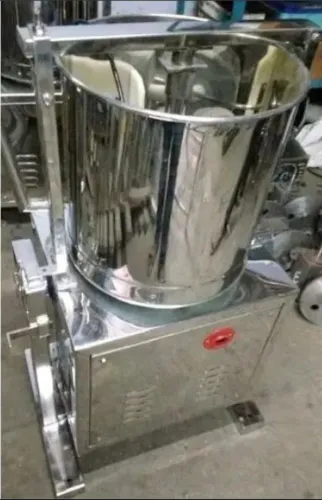
Spoon steriliser kitchen equipment provides hot-water sanitisation: full immersion at a controlled temperature for a defined contact time. The utensil surface must reach the target; a hot display reading does not prove that a crowded basket, trapped air or cold tank zone did.
| Process | What it does | What it does not prove |
|---|---|---|
| Washing | Removes food residue, grease and starch with water, detergent and mechanical action | That pathogens have been reduced to a safe target |
| Sanitising | Reduces microorganisms to a food-hygiene level after washing | That every form of microbial life is gone |
| Hot-water sanitising | Uses immersion temperature and time, such as 77°C for at least 30 seconds under one U.S. Food Code benchmark | That the benchmark applies universally in Mumbai |
| True sterilisation | A validated process designed to eliminate all forms of microbial life | That boiling or holding spoons in hot water achieves it |
A commercial unit is therefore better described as a sanitiser unless documented validation supports a sterilisation claim. Specify the temperature and exposure time in your food-safety procedure, confirm Indian and local authority expectations, and fully immerse every utensil after washing. Short contact, partial immersion or immediate recontamination defeats the step.
How the boiler, basket and contact time work together
A commercial water boiler display shows the temperature near its sensor, not the temperature at every spoon. Treat the spoon steriliser as a controlled hot-water bath: the basket must allow full wetting, the water must reach the approved target, and every spoon must receive the required contact time.
- Fill with potable water to the marked operating level, using the inlet temperature specified for the equipment. Heat with the basket empty until the water reaches the target set by your food-safety procedure, utensil material and local inspection requirements.
- Load only washed spoons. Spread them loosely in the basket, keep handles from blocking circulation, and submerge every surface; trapped air, overloading and a low water level create untreated areas.
- Start contact time only after the water has recovered to target with the loaded basket in place. Check the coldest or slowest-flowing point with a calibrated probe or data logger during commissioning and after changes to the load.
- Record water temperature, start time, end time and any failed reading. A displayed temperature alone does not prove that each spoon received the required exposure.
- Drain when the water is visibly dirty, diluted or outside the replacement schedule. Clean and rinse the tank and basket, then refill with fresh water before the next service period.
- After a large load or interruption, allow recovery before adding more spoons. Do not count a short warm-up or partial immersion as a completed cycle.
Set the temperature and contact time from a documented, validated procedure rather than assuming boiling water proves sterilisation.
How to size a boiler for peak spoon demand
Use the busiest 15-minute period, not the daily average. Record spoons per batch, basket dimensions, batches per hour, inlet-water temperature, target temperature, contact time and peak service duration. That duty cycle defines the water boiler for foodservice.
1. Set batch size by the number of spoons that fit without crowding or trapping air. Calculate water volume from the steriliser’s operating level, then add the water displaced by each loaded basket.
2. Size usable tank volume as one batch fill plus a reserve for the next load and evaporation or drain losses. Do not use the advertised gross capacity; subtract the unusable space below the outlet and above the safe fill line.
3. Calculate demand in litres per hour: litres consumed or drained per batch × batches per hour. Include water replaced after each load, not just water carried away on spoons.
4. Calculate recovery rate as litres per hour heated from inlet temperature to the target temperature. A 10-litre rise from 20°C to 80°C needs about 0.70 kWh of heat before tank, pipe and standby losses. Recovery time equals the required energy divided by heater output.
5. Estimate electrical load with kW = litres per hour × 4.186 × temperature rise ÷ 3,600 ÷ efficiency. Add standby losses, then check the available voltage, phase, breaker and cable capacity. A smaller tank with faster recovery can outperform a larger, slow-heating tank during continuous service.
Commission the unit with a loaded basket: measure the coldest point using a calibrated probe, confirm recovery between batches, and document the readings. The boiler display measures its sensor, not every spoon.
Features that protect hygiene, safety and service continuity
A water boiler in Mumbai needs cleanable construction and fail-safe controls, not merely a large tank. Smooth stainless-steel food-contact surfaces, sealed welds and a covered tank leave fewer places for residue or splash contamination to collect. A drain at the lowest point lets staff remove dirty water completely instead of diluting it.
| Feature | Protects against | Specify |
|---|---|---|
| Smooth stainless-steel interior and accessible heating element | Scale traps and hidden residue | Hinged service panel and tool-free cleaning access |
| Covered tank, guarded tap and non-return valve | Recontamination and accidental scalding | Tight-fitting lid, insulated handles and protected dispensing control |
| Removable basket and drainable base | Wet utensil contact and stagnant water | Basket lifted without touching the water or food-contact surfaces |
| Insulation and timer or standby mode | Heat loss and overnight energy waste | Schedule matched to service hours, not an oversized tank left hot |
| Thermostat, independent high-limit cutoff and low-water cutoff | Temperature drift, dry firing and unsafe overheating | Calibrated temperature display with an outlet-temperature check |
Compare usable hot-water volume and recovery rate, not the advertised tank capacity. Heating 10 litres from 20°C to 80°C takes about 0.70 kWh before tank and standby losses, so confirm the electrical supply can recover loaded baskets during peak service.
Set the controller to your approved time-temperature procedure; 77°C for 30 seconds is a U.S. Food Code benchmark, not a universal rule. Descaling access matters in hard-water areas: untreated scale slows recovery, raises energy use and eventually damages the element.
How to write a Mumbai-ready purchasing specification
Give the supplier a duty brief, not just the phrase “commercial water boiler.” For a water boiler for spoon steriliser in commercial kitchens in Mumbai, state the number and dimensions of spoons per basket, baskets per hour, peak service duration, inlet-water temperature, target water temperature, required holding time, drainage arrangement and available electrical supply.
1. Specify usable tank volume, heat-up time, recovery rate in litres per hour and outlet temperature under load. Heating 10 litres from 20°C to 80°C needs about 0.70 kWh before tank, pipe and standby losses, so ask for the connected load in kilowatts and the expected recovery calculation.
2. State the hygiene benchmark your procedure uses. The U.S. Food Code reference is 77°C for at least 30 seconds of hot-water immersion; confirm the Indian food-safety and local inspection requirements that apply to your kitchen rather than calling the cycle sterilisation without validation.
3. Require stainless-steel contact surfaces, insulation, temperature control, low-water protection, drain access and a scale-cleaning method suited to Mumbai’s incoming water.
4. Before acceptance, run a loaded basket through the proposed cycle. Measure water at the basket with a calibrated thermometer, record time above the target, check recovery after loading, verify voltage and current, inspect leaks and confirm complete drainage.
Ask Ambica Sales & Services, or any water boiler in Mumbai supplier, to place these readings, wiring details, warranty limits and cleaning instructions on the quotation. Reject a unit that proves only its display temperature.
Related products
 | Service Equipment Spoon Steriliser View product → |
 | Service Equipment Water Boiler View product → |
Frequently asked questions
What does a spoon steriliser do after washing?
It applies controlled hot water to already-washed, heat-resistant utensils. It does not remove grease, starch or stuck food, and it is unsuitable for wood, cracked plastic or heat-sensitive parts.
How do the boiler, basket and contact time work together?
The boiler supplies hot water, the perforated basket keeps utensils exposed and allows drainage, and the validated temperature-contact-time combination determines the hygiene result. Overloading the basket creates cold spots and blocks exposure.
How do you size a water boiler for peak spoon demand?
Count clean spoons and other utensils needed during the busiest service interval, then account for basket capacity, refill volume, recovery time and the temperature drop caused by each load.
Which features protect hygiene, safety and service continuity?
Look for food-contact stainless steel, a drainable vessel, an accurate temperature control, over-temperature protection, low-water protection, insulated surfaces, a secure basket and accessible service parts.
What belongs in a Mumbai-ready purchasing specification?
State the utensil types, peak load, required capacity, operating temperature and contact time, electrical supply, drainage arrangement, water quality needs, installation space, safety controls, cleaning access, warranty and local service response.
Keywords