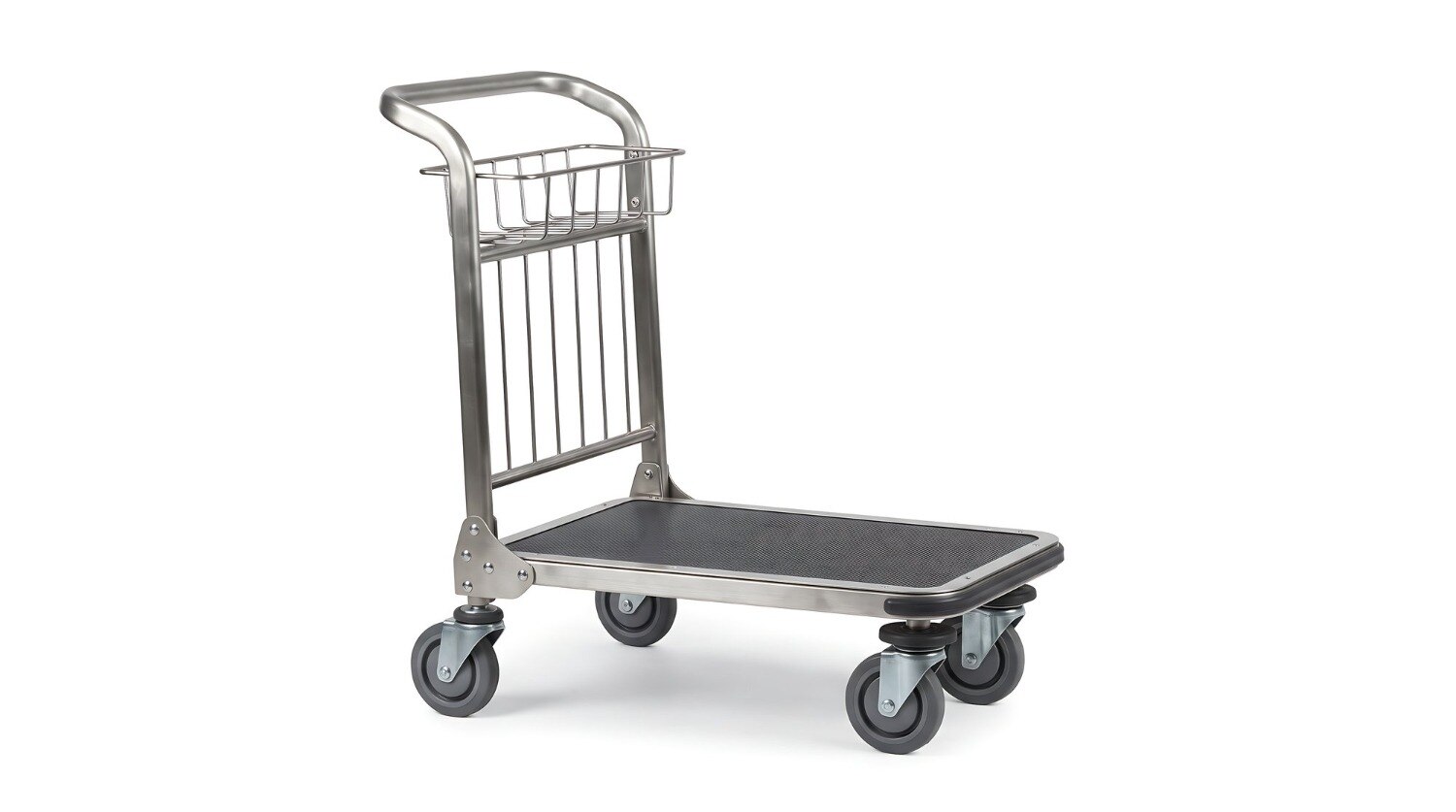
A hot case and a wheeled platform solve different problems: one holds cooked food at serving temperature, while the other carries the load through production, storage and service routes. By the end, you will know how to match the case to the grid, secure and move it safely, test the combined load, and specify a workable Mumbai installation.
Key takeaways
- Confirm the grid supports the hot case base without rocking or overhang.
- Check trolley load rating against the fully loaded hot case weight.
- Test wheel movement, brakes, clearances and turning space before ordering.
- Use a removable grid that can be washed separately in the scullery.
How the removable grid supports a hot case
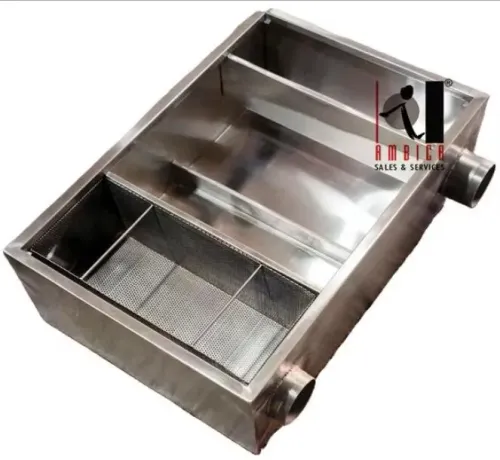
The removable grid forms the hot case’s load-bearing deck. Its sections lift out of the trolley frame after the case is removed, allowing the frame and grid to be washed or used for another transport task.
The grid itself does not heat food; the hot case provides insulation and controlled heat unless the trolley is separately specified with heating equipment.
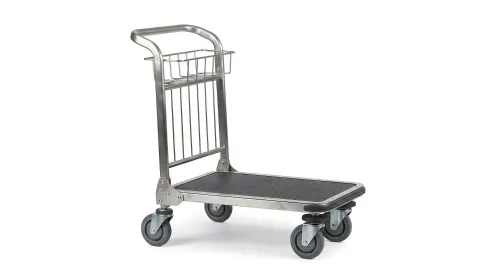
The hot case normally sits on the grid, with its base feet or bottom rails resting on supported areas rather than spanning open gaps. Crossmembers below the grid transfer the weight into the trolley frame, then into the castors and floor.
If the feet sit partly over a grid opening, the case can rock, deform the base or concentrate load at one point.
A proper connection does more than let the case rest in place. Locating stops, retaining rails, clamps or a compatible recessed base keep it from sliding sideways, tipping during a turn or separating when a castor crosses a threshold.
The operator should be able to release this retention deliberately, not dislodge it by pushing the hot case.
Specify the interface in writing:
- usable grid length and width, including clearances around the case
- grid pitch and the position of supporting crossmembers
- rated load and the location of stops or retaining rails
- clearance for doors, controls, ventilation openings and the power connection
For a removable grid platform trolley in Mumbai, confirm that the combined height and width pass every doorway, lift and tight service turn before ordering. A trolley that fits the kitchen plan can still fail at the receiving dock or fire door.
The working sequence from loading to service
Load cooked food into the hot case in the production area, not cold food intended for rapid reheating. A hot case holds prepared food; it does not replace an oven or rethermalisation equipment.
In a platform trolley hot case arrangement, the cabinet is transferred onto the trolley’s grid and retained there, rather than pushed alongside it.
1. Position the braked trolley beside the loading point. Set the case squarely on its support points, engage the specified stops, pins or clamps, and check that the cabinet cannot slide or rock before releasing the brakes.
2. Connect the case to the approved electrical supply if it is an electrically heated holding unit. Confirm that the cable cannot trail beneath the wheels or catch on a door frame, then complete the documented holding-temperature check after loading.
3. Move the loaded trolley at walking speed through the commercial kitchen trolley workflow. Keep both hands on the handle, approach thresholds straight, and avoid sharp turns that can shift an unsecured case or raise one wheel.
4. Park at service with the brakes applied and the case still connected when continuous heating is required. Open the cabinet only for loading or serving; repeated door opening loses heat and slows service.
5. After service, disconnect power, return the empty or dirty case through the designated route, and brake the trolley before removing it. Separate the case from the grid only in the receiving or cleaning area, then clean and segregate the trolley before it carries another food load.
This sequence differs between a removable cabinet on a non-heated base and an integrated trolley with built-in heating. Confirm which arrangement the quotation describes, because electrical isolation, removal, servicing and cleaning steps change.
How to check fit, load rating and movement safety
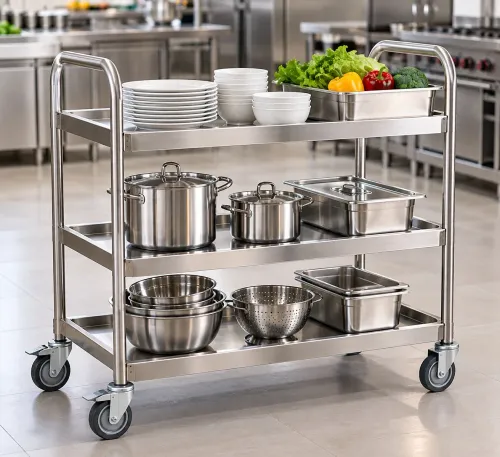
Confirm fit, load rating and movement safety before putting food into the case. A removable grid platform trolley with hot case in Mumbai is suitable only when the case footprint, combined weight and service route work together.
1. Measure the hot case length, width, base height and foot positions. Compare them with the platform’s usable dimensions, grid pitch and support points. Reject a fit where feet sit over openings or the base rocks.
2. Add the empty case, GN pans, trays, food, water for humidification, doors and accessories. Compare this total with the trolley’s rated capacity, then allow for starting, braking, slopes and uneven floors. A static weight check alone is not enough.
3. Check the locating stops, retaining rails, clamps or latches. Push the secured case sideways and pull it towards each edge; it must not slide, lift, tip or separate from the grid. A case that merely sits on the platform is unsafe.
4. Measure doorways, lift openings, fire doors, thresholds and the narrowest service corridor. Test the loaded trolley through the tightest turn, checking wheel clearance and the turning radius. Confirm that the wheels roll freely and the brakes hold on the actual floor.
5. Verify whether the quoted trolley is only a wheeled platform or includes a heater, thermostat and power inlet. If the hot case holds heat electrically, check cable reach, socket location and protection before movement.
Carry out the test with the real load, not an empty case. Stop the order if the unit fails any threshold, turning or retention check.
Why the same grid matters in a scullery
A removable grid lets you detach the hot case from the scullery platform trolley, so the trolley can be washed without dragging the heated case through a wet sink area. The open grid also exposes the underside, allowing wash water to reach surfaces that a solid deck would hide.
The separation improves hygiene only when you control traffic. Return the empty or dirty case to a marked dirty-side position, remove it from the trolley, and clean both items separately before either re-enters the clean-food route.
Do not send the same unwashed platform directly from service to tray loading; grease and splash water can transfer to the frame and wheels.
Specify a grid that drains instead of retaining puddles, with smooth welded joints, corrosion-resistant fasteners and castors suited to wet floors. In Mumbai’s humid, salt-laden air, trapped detergent residue accelerates corrosion.
Keep electrical parts and the hot case power connection out of immersion, and make the grid removable without creating loose parts in the wash area.
Check these points before adopting one:
- Provide separate clean and dirty parking positions.
- Confirm the grid has no sharp or inaccessible gaps that trap food soil.
- Verify the castors, brakes and frame withstand wash-down.
- Clean and disinfect the trolley after every dirty-case return, then inspect it before reuse.
What to specify and test before ordering in Mumbai
A 10 mm floor threshold can stop a fully loaded unit that fits the kitchen drawing. Measure the receiving dock, fire doors, lift door and cabin, service corridor, turning radius, parking position and final doorway.
Record the narrowest width, lowest clearance and lift load limit before choosing a removable grid platform trolley with hot case in Mumbai.
Ask for these checks in the quotation:
- State whether the trolley is only a wheeled platform or includes a heater, thermostat and power inlet.
- Confirm the hot case voltage, phase, running current, plug type, cable length, earthing point and dedicated socket capacity with your electrician.
- Specify stainless-steel grade, weld finish, corrosion-resistant fasteners, protected castor bearings, brake type, drainable surfaces and electrical parts that cannot be immersed during washing.
- Require retention stops or latches that prevent sliding and tipping across thresholds.
- Test the loaded unit through every route, including a full turn, lift entry, fire door and service parking position.
- Run the hot case at its operating setting, check temperature recovery after door opening, test the brakes and inspect cable clearance.
| Configuration | What to verify | Main consequence |
|---|---|---|
| Separate hot case on trolley | Independent power, retention and case removal | Easier cleaning, but poor restraint can shift the case |
| Integrated heated trolley | Isolation, service access and centre of gravity | Less transfer handling, but a fault can disable the whole unit |
Ambica Sales & Services should identify these details separately when quoting a removable grid platform trolley in Mumbai, rather than treating “platform trolley hot case” as one standard configuration.
Related products
 | Scullery Platform Trolley with Removable Grid 1 Platform Trolley with Removable Grid 1 View product → |
 | Scullery Platform Trolley with Removable Grid 3 Platform Trolley with Removable Grid 3 View product → |
Frequently asked questions
How does a removable grid support a hot case?
The grid forms the hot case’s load-bearing deck inside the trolley frame. Its sections lift out after the case is removed.
What should you check before moving a hot case on a platform trolley?
Check the grid fit, total loaded weight, trolley load rating, wheel condition, brakes, handles, floor clearance and turning space.
Why use the same removable grid in a scullery?
The grid can be removed for washing, while the trolley frame can support another transport task when the hot case is not fitted.
What should you specify when ordering in Mumbai?
Specify the hot case dimensions and weight, grid section size, trolley clearances, wheel and brake requirements, stainless-steel finish and the movement route.
Related product
 | Service Equipment Hot Case with Sliding Doors View product → |
Keywords