Setting up a professional kitchen involves much more than purchasing appliances and arranging them around a cooking area. The right commercial kitchen equipment influences food quality, preparation speed, hygiene, staff productivity, energy consumption and the ability to handle peak-hour demand.
For restaurants, hotels, cafés, cloud kitchens, bakeries and catering businesses in Mumbai, kitchen planning also needs to account for available floor space, ventilation, utility connections and the intensity of daily operations. A compact café may require a completely different equipment configuration from a high-volume restaurant or institutional kitchen.
Start With Your Menu and Production Volume
Equipment selection should begin with what the kitchen actually needs to produce. Consider:
- Number of meals expected per day
- Peak-hour order volume
- Type of cuisine
- Preparation and cooking methods
- Refrigerated and dry storage requirements
- Cleaning and food handling workflow
- Available gas and electrical connections
- Kitchen space and movement of staff
Buying equipment without considering these factors can result in underused machines, crowded work areas or insufficient cooking capacity.
Look Beyond the Purchase Price
Commercial equipment is expected to work repeatedly for long operating hours. Therefore, the initial price should not be the only deciding factor.
Construction quality, stainless steel grade, ease of cleaning, maintenance accessibility, energy requirements and suitability for continuous operation can have a significant effect on long-term value.
A well-planned kitchen should also reduce unnecessary staff movement. Refrigeration, preparation surfaces and cooking equipment should be positioned according to the natural sequence of food preparation.
Why Stainless Steel Is Common in Professional Kitchens
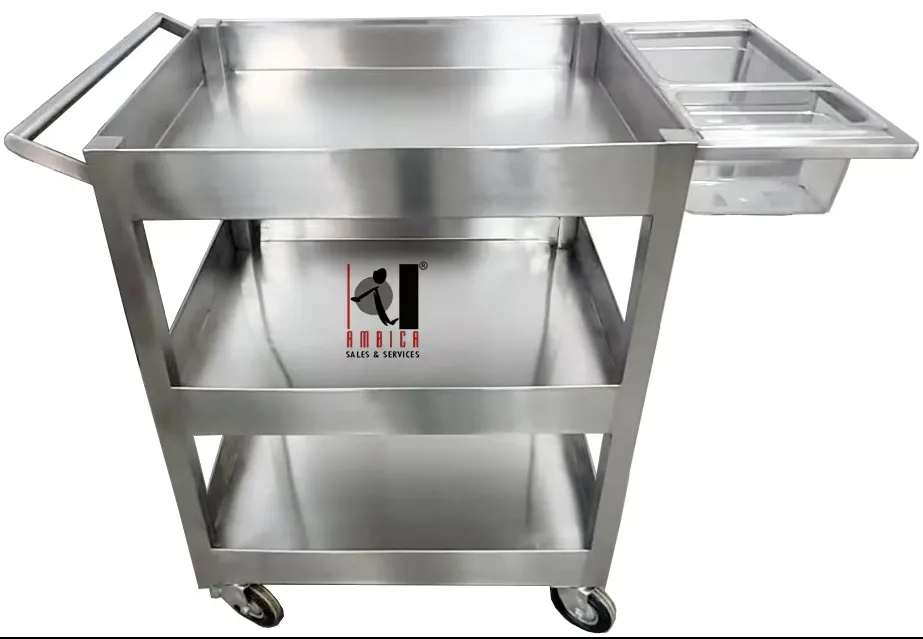
Stainless steel is widely used because it provides a durable, hygienic and easy-to-maintain surface. It is particularly useful in Mumbai's demanding hospitality environment, where kitchens may experience high temperatures, moisture and continuous cleaning.
The quality and thickness of the material should be appropriate for the intended application rather than selected only by appearance.
Plan for Ventilation and Maintenance
Cooking appliances generate heat, grease, smoke and vapours. Exhaust and ventilation planning should therefore be considered alongside equipment selection rather than added after installation.
Maintenance access is equally important. Equipment positioned too close to walls or other appliances can make routine servicing unnecessarily difficult.
Ambica Sales & Services supports commercial food businesses in Mumbai with kitchen equipment suited to different operational requirements. For a restaurant owner, hotel operator, caterer or cloud kitchen entrepreneur, discussing the menu, expected production and available space before finalising equipment can lead to a more practical setup.
A productive commercial kitchen is ultimately a system. Cooking, refrigeration, preparation, display and ventilation equipment need to work together. Choosing equipment according to actual operational demand helps create a kitchen that is easier to manage, more efficient during busy periods and better prepared for long-term food service operations.
Keywords