Professional kitchens are increasingly using electric appliances for specific preparation and cooking requirements. While gas remains common for traditional high-flame cooking, electric cooking equipment can provide controlled operation, convenient installation and consistent performance for many food-service applications.
Restaurants, cafés, bakeries, cloud kitchens, hotels and institutional food facilities in Mumbai can benefit from understanding where electric equipment fits within their kitchen rather than treating gas and electric cooking as interchangeable choices.
Where Electric Equipment Can Be Useful
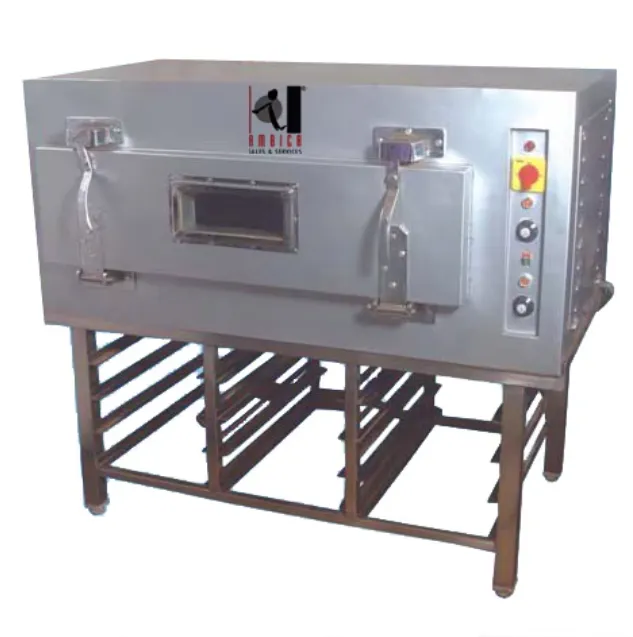
Electric appliances are particularly practical when precise and repeatable operating conditions are important. Depending on the equipment type, they may be used for baking, frying, heating, warming, grilling and other specialised processes.
They can suit businesses such as:
- Cafés with compact preparation areas
- Bakeries requiring controlled heating
- Cloud kitchens using standardised recipes
- Quick-service restaurants
- Hotel preparation sections
- Food counters and kiosks
The right application depends on power availability and the intended production load.
Consider Electrical Load Before Installation
One of the most important steps is checking whether the premises can support the required electrical load.
Commercial appliances generally have different power requirements from household equipment. Installing several high-load appliances without proper electrical planning can create operational problems.
Before installation, businesses should assess the available electrical infrastructure and determine the total connected load required for the planned kitchen.
Consistency Can Improve Standardised Production
In kitchens where recipes need to be reproduced consistently across multiple batches, controlled electric heating can be useful.
This is particularly relevant for food businesses that depend on standard preparation procedures. Consistency in equipment operation can make it easier for staff to follow established cooking times and processes.
Evaluate Operating Requirements, Not Just Convenience
Electric appliances may appear easier to install in certain settings because they do not require direct gas connections. However, operating cost, production volume, equipment wattage and electricity supply should still be evaluated.
For some kitchens, a combination of gas and electric appliances provides a more practical solution than depending entirely on one energy source.
Ambica Sales & Services works with commercial food businesses across Mumbai to provide equipment based on kitchen layout and operational needs. Selection can be planned around menu requirements, expected workload and available utilities rather than choosing equipment solely because of its energy source.
Mumbai's food-service sector includes everything from compact cafés to high-output restaurant kitchens. Each requires a different balance of capacity, space and utility consumption.
Electric appliances can be highly effective when selected for the right application. Assessing power capacity, production requirements, operating hours and kitchen workflow before installation helps businesses create a cooking setup that remains practical as daily demand increases.
Keywords